


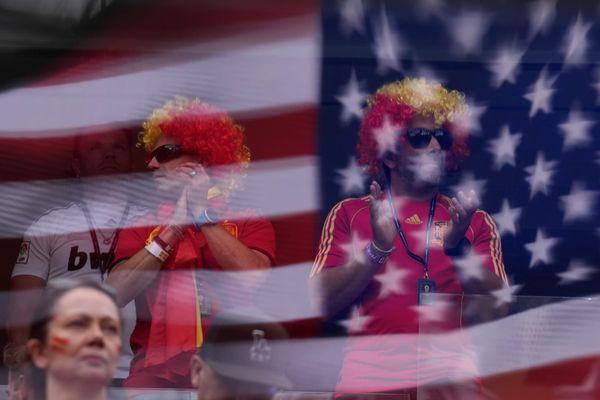
Since 1930, the premise of the World Cup has been this: Every four years, the nations of the world bring their best players to compete with each other for the most coveted trophy in association football, known in the United States as soccer. This setup highlighted national differences even as it promoted international comity and goodwill.
“The World Cup is no longer simply an international event.”
But in this year’s contest, it is clear that something has changed. The World Cup is no longer simply an international event, but a transnational one, in which the breakdown of older ideas of peoplehood and citizenship is on display.
For much of the past century, nationalism had a bad reputation, seen as responsible for war and genocide. Against this backdrop, the World Cup permitted the expression of a more benign form of nationalism, enabling national rivalries to be sublimated into skilled athletic contests. Sport is a uniquely effective medium for inculcating national feeling even among otherwise apolitical citizens. As the historian Eric Hobsbawm once wrote about the way a soccer team stands for a nation: “The imagined community of millions seems more real as a team of eleven named people. The individual, even the one who only cheers, becomes a symbol of his nation himself.”